CAMERA

Research Facilitation at CAMERA

Our Research

CAMERA has supported research across a wide range of areas, from health, rehabilitation and biomechanics to motion capture, computer vision, artificial intelligence and immersive technologies.

Through grants and collaborations, our team has contributed expertise and supported research that has resulted in a range of academic publications.

We are always interested in new research enquiries or proposals from academia or industry.

Have a research proposal?  Contact Us.
Research Case Studies

CAMERA Research

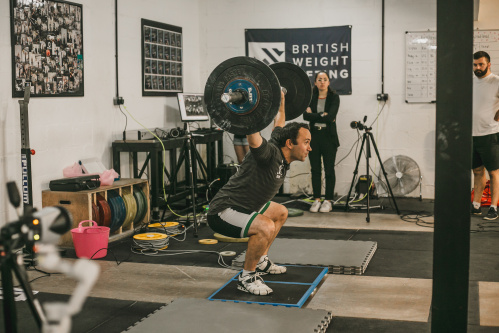
Performance in Olympic Weightlifting

Find Out More
CAMERA Research

LiDAR Scan of the Guildhall, Bath

Find Out More
CAMERA Research

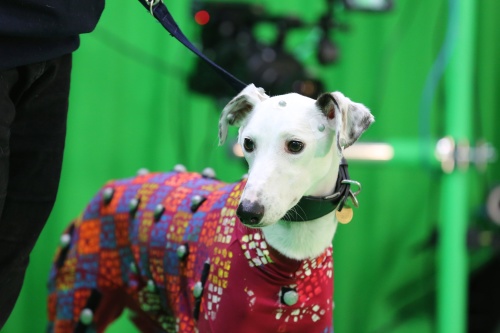
Animal Motion Capture

Find Out More

EPSRC funding

CAMERA was first built on 10 years of EPSRC funding, which recently came to an end. Through this support we were able to apply our unique expertise and ground breaking research into virtual reality and motion capture.


The projects undertaken at CAMERA through EPSRC had several principal research themes which directed our work. Each theme was related to applications of digitally capturing the real world: analysing, understanding and modelling content and creating tools to allow better use of the technologies which enable this.

Creative Science & Technology

We have a strong track record in creating innovative tools which reduce cost, time or complexity when using digital technology for capturing performance.

This field of creative work is well known for requiring a delicate balance between concept and enabling technology; creative and technical expertise.


Human Performance Enhancement

CAMERA Research

For physical, sporting, and performance enhancement, we  developed unobtrusive data capture methods which can be deployed in more environments to provide feedback from the competitive scenarios where performance matters most.

Digital Health & Assistive Technology

CAMERA Research

These technologies allowed us to better record and understand the impact and severity of people’s physical limitations and explore methods to combat this. We have a strong history of working to develop solutions that ultimately allow people with disabilities to have a better quality of life.

We were interested both in the development of new technologies, such as prosthetic components, as well as new ways of measuring physical function and patient outcomes.